
PEACE MURAL FOUNDATION BY HUONG
For more information, please contact Huong,
huong@huong.org.
Featured Projects
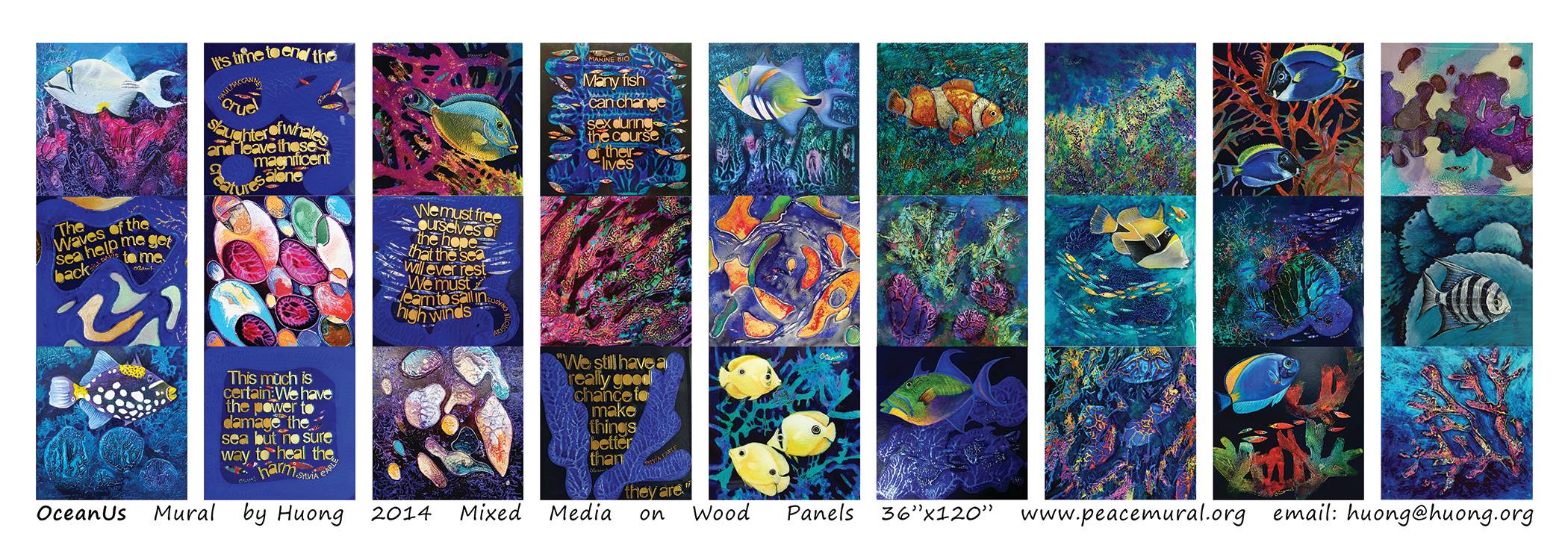
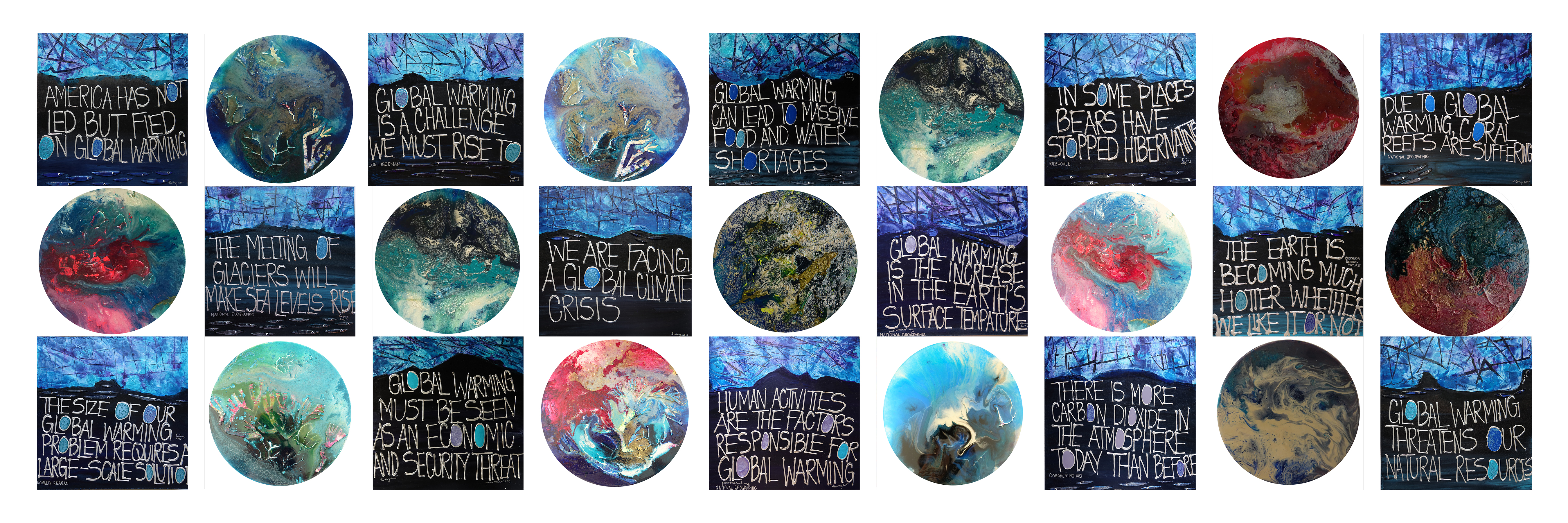
Global warming is a gradual increase in the Earth’s temperature, which is now becoming a threat to all forms of life on our planet. As the Earth’s temperature gets warmer each year, weather patterns...
Pandemic mural by huong created 2019-2021, peacemural.org 1000 FACES LOOKING FOR PEACE MURAL AND HOW DO YOU SEE YOURSELF? "Happiness, true happiness, is an inner quality. It is a state of mind. If...
Join Huong in her latest work showing the importance of peace to the multicultural community of Miami WHERE: 700 Block Lincoln Rd. TIME: 12 to 6 PM
Join the #peacemuralfoundation showing awareness about #globalwarming at 700 Lincoln Rd #miamibeachflorida TIME:12-6PM
WE NOW FOCUS OUR ATTENTION TO THE "AMERICAN MUSLIM" TOPIC WE WANT TO HEAR FROM YOU COME SEE US MIAMI BEACH AT 700 BLOCK OF LINCOLN RD. MONDAY-SATURDAY 12-8 PM Since 9/11 Muslims have suffered unjust...
Peace Mural Blog
Follow our current projects and news
Wednesday, October 28, 2020
The question is, how do we prepare for our future? How can we minimize the risks? Listen to Tom Gustafson, J.D, Program Director for Innovative Programs Institute of Water and Environment at FIU, Florida International University. A s he explains how deeply we are affected by climate change and how GLOBAL ROASTING can be one of the ways the world may end. Watch the full video - tinyurl.com/y6oq4qd5 It is extremely important to know what we must do ideally to lessen the impact. Together we can:...
Wednesday, October 28, 2020
If Not Now, When? is a digital series sponsored by Peace Mural Foundation. Every week we exhibit short-form videos where members of the community are invited to share their voices on urgent issues such as global warming, racism, peace and war, politics (election), and others. Our goal is to raise awareness about these issues, argue for change and promote dialogue through art. Check out our weekly content on YouTube , Facebook and Instagram .
Wednesday, October 28, 2020
When a 16 year old explains why she chose a vegan lifestyle, we think it’s time to open our minds and eyes to see what is really going on in our world. Let’s come together to save our planet! YouTube: https://www.youtube.com/watch?v=_qgIoxYe5go Facebook: https://www.facebook.com/peacemuralfoundationmiami Instagram: @peacemuralfoundationmiami
Wednesday, September 09, 2020
As part of our digital series If Not Now, When? , we interviewed Dr. Justin Koren on the Racism Mural by Huong. Check out the first interview here: YOUTUBE: https://www.youtube.com/watch?v=wh_uecWcKkw&t=1s FACEBOOK: https://www.facebook.com/watch/?v=755309635039922&extid=hJMrE3T2YZGkxM1A INSTAGRAM: @peacemuralfoundation Check out the second interview here: YOUTUBE: https://www.youtube.com/watch?v=T884SWa3fMk&t=5s FACEBOOK:...
Friday, June 19, 2020
By Marina Ziehe | March 1, 2020 Huong was 25 when she jumped on a boat and fled. She was not alone. In her arms, she was carrying an 11-month-old baby, and in her heart, a painful wound. In 1975, at the end of the Vietnam War, she witnessed death closely. She lost her father, her two brothers and dozens of friends. Her father, a prisoner of war, died when he was released from prison. Her brothers were sent to a re-education camp for refusing to fight and were forced to do forced labor. One was...
Tuesday, February 04, 2020
By Marina Ziehe | February 4, 2020 “When our athmosphere is under attack, what do we do?” yells 16-year-old Samantha Gazda in front of Miami City Hall. “We stand up and fight back!” chants back a small crowd of 15 teenagers and young adults. They are holding a huge banner that says with upper-case letters, “DECLARE CLIMATE EMERGENCY!” Motivated by the neglect of their own government regarding the climate crisis, these young people are part of the global movement Extinct Rebellion (XR). This...
Thursday, December 26, 2019
Danilo de La Torre is an Electrical Engineering student at FIU. He organizes strikes for Climate Emergency Action as part of Fridays for Future Miami. Youtube: https://www.youtube.com/watch?v=GkOTPfghX2c&feature=youtu.be Facebook: https://www.facebook.com/224637247565451/posts/3141428479219632/
Monday, December 23, 2019
Nikki Traylor-Knowles is an Assistant Professor of Marine Biology and Ecology at the Rosenstiel School of Marine and Atmospheric Sciences at University of Miami. She is a cell biologist that studies the evolution of immunity, wound healing, and regeneration. Her lab uses techniques from cell biology, genomics, microbiology, and molecular biology to study the cnidarian innate immune system and its interaction with climate change and other human induced stressors. Check out her full interview...
Search
Donations
